
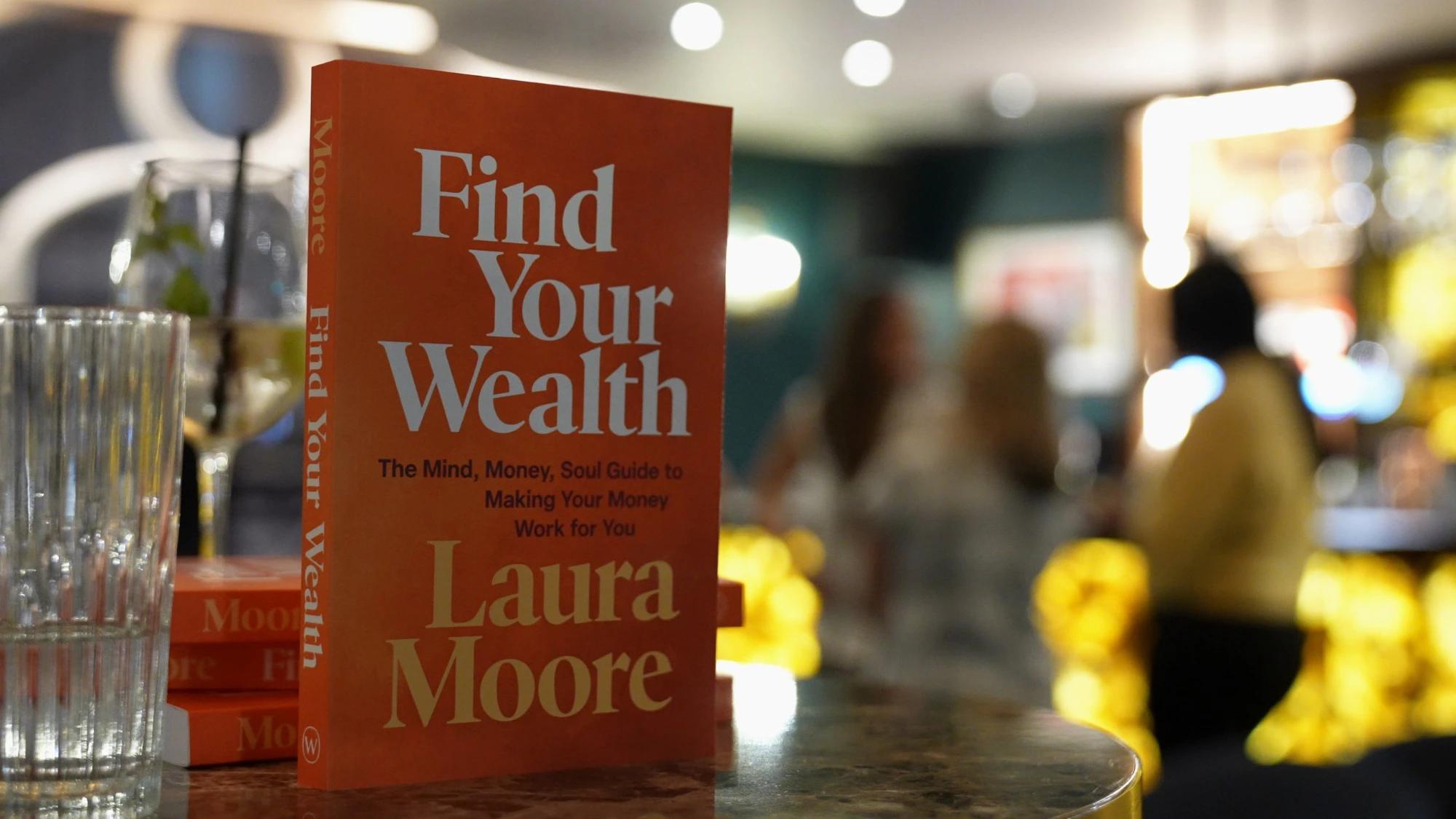
What’s actually the difference between money and wealth?
That was the very first question from the room at our latest N0BS Book Club, and it’s the one the whole evening kept coming back to. Laura Moore joined us at Andrea Bar in the City to talk through her book, Find Your Wealth, and by the time the pizza came out, most of us had a slightly different answer to it than the one we’d walked in with.
Laura is a financial coach, author, educator, content creator and speaker, and her work sits on the part of money most advice skips entirely, which is the emotional side. Find Your Wealth grew out of a gap she kept seeing in the people she coached. Most of us already know the basics (spend less than you earn, put something aside for the future), yet knowing it and actually doing it are two very different things, and the book is about what’s going on in that gap. It’s also refreshingly honest, because instead of “here’s how brilliant I am with money”, it’s full of the mistakes she’s made along the way.
That’s exactly why we wanted her at N0BS. There’s no shortage of money content online, but so much of it is the same generic advice recycled… Laura’s isn’t, and you could feel the difference in the room.
Why money usually isn’t the real problem
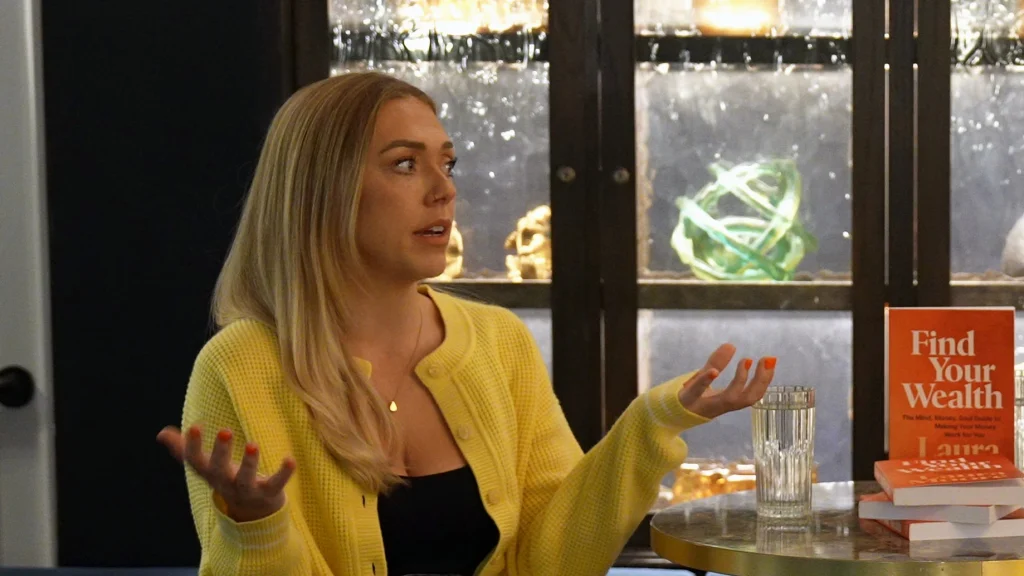
Our founder, Sabrina Chevannes-Denman, opened by asking Laura why she felt the book needed to exist and what she sees going wrong most often. For entrepreneurs, her answer was avoidance. Founders are often brilliant at the big vision and the fundraising, but plenty of them come to her overwhelmed, and when she asks to see their cash flow or their personal budget, there isn’t one. Add the very British habit of never talking about money at all, and the shame just stays hidden.
What surprised people more was her point that over-saving can be just as unhealthy as overspending. She talked about Die with Zero by Bill Perkins, and about having £40,000 saved during a really tough period of her life and being too scared to touch any of it, so she was stressed about money while the answer was sitting in her bank account. Rather than trying to save, spend and invest in equal measure, she talks about “financial eras”, seasons where you deliberately save hard for something and then swing back into spending, sometimes by choice and sometimes because life decides for you.
Which is why she said, “I actually kind of don’t believe in the word balance.” She’s not a fan of rules like 50/30/20 either. Her version is simpler: know what’s coming in, know what’s going out, and decide what to do with the rest based on your own goals and values, not somebody else’s highlight reel.
Money versus wealth
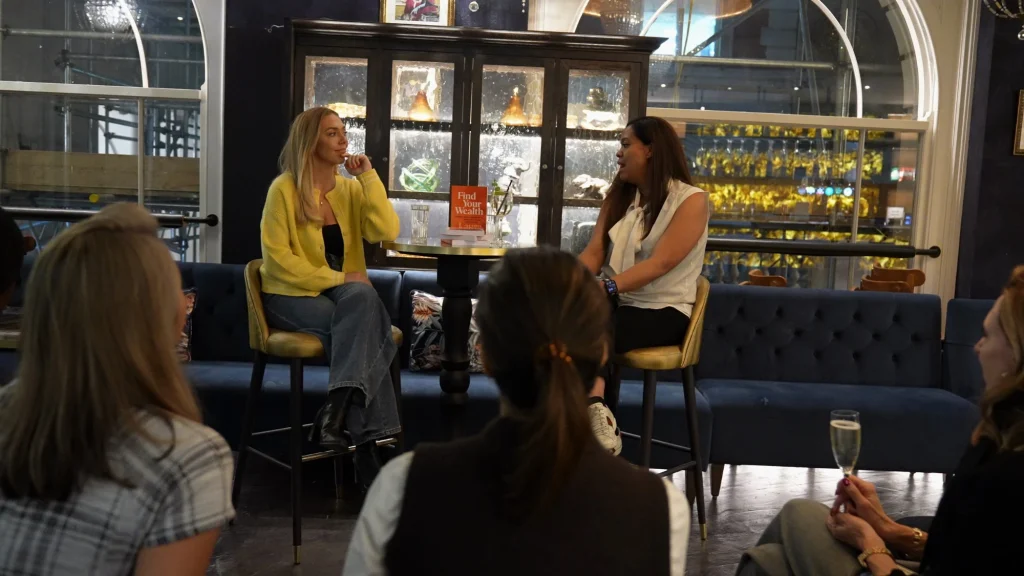
That’s why the first audience question landed so well. For Laura, money is the tangible thing, what comes into your account and what you pay for things with, while wealth is intangible: how rich you feel in your friendships, your health, your relationships and everything else that matters. She told the room she felt her wealthiest when she had the least money, and that opened up a run of people sharing their own experiences, from businesses that didn’t go to plan to separate savings pots with a much ruder name than “rainy day fund” 😂
She was just as open about her own story. She grew up with very little, saved her first £15,000 by 22 for drama school, then took a last-minute chance to go travelling instead, which was the first time she realised money gave her a choice rather than a limit. Years of self-help books later, her conclusion is that it’s less about what’s in your head and more about getting back into your life.
One January her pipeline was completely dead and she was close to taking a full-time job, until she stopped ruminating, acted on a small nudge to message someone she’d met at an event, and it turned into a £15,000 deal. Sabrina also pushed her on sunk costs, which anyone who has kept a loss-making idea going for far too long will recognise. Laura’s take was that the time and money already spent are in the past, so the real question is whether what’s playing out now actually matches the life you want.
She ended on the bigger picture: “Capitalism makes you feel like money is everything.” When money sits at the top of the hierarchy, everything else quietly falls by the wayside, your health, your relationships and your time included.
The Lifelong MBA in action
This is exactly what we mean when we call N0BS a Lifelong MBA. Book Club isn’t a book review, and it isn’t networking with a reading list attached. It’s a chance to spend an evening with someone who’s genuinely good at what they do, ask them the questions you’d never get to ask online, and hear how everyone else in the room is wrestling with the same things.
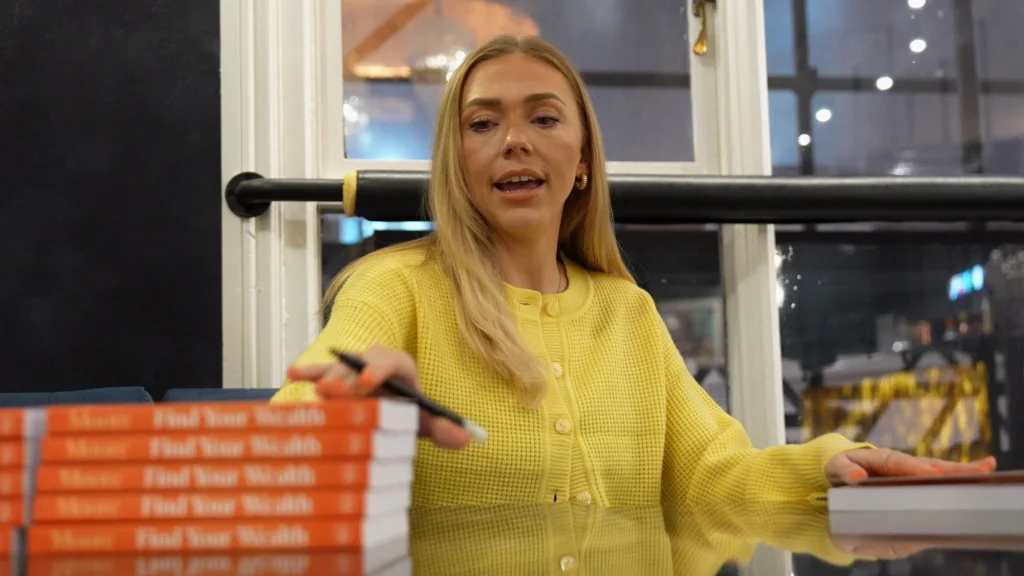
Money is one of those subjects most entrepreneurs never properly learn about, even though every decision we make in business touches it, so an honest conversation about it was worth more than any spreadsheet template. Afterwards, Laura stayed to sign copies and chat over pizza and drinks, which is often where the best conversations happen.
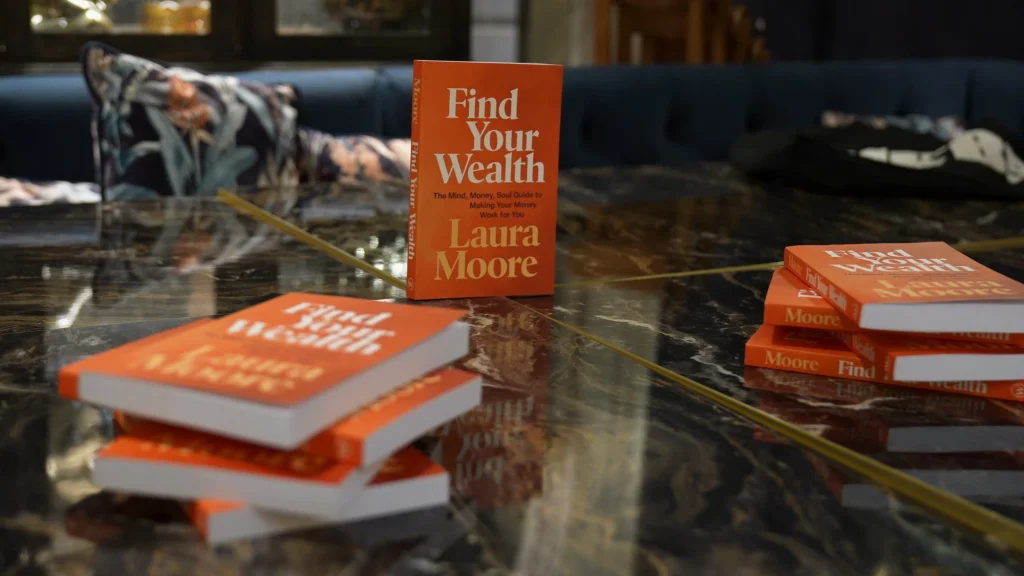
If Laura’s ideas resonate with you, Find Your Wealth goes much deeper, including the Align Method she uses to help people understand and change their relationship with money.
And if you’d like to hear more from Laura first, she joined us on No Bullsh*t Talks to talk about the money mistakes that hold businesses back and the truth about content creation.
Listen to Laura Moore on No Bullsh*t Talks →
Because sometimes the most useful money question isn’t “How much do I have?”
It’s “What would actually make me feel wealthy?”